


Close
No products in the cart.

Clinical Supervision for Allied Health & Behaviour Support Practitioners

What is Clinical supervision?

Clinical supervision is structured, regular time with a more experienced practitioner to reflect on cases, decisions, and the emotional weight of the work. It’s a space to think through a difficult case, question your own judgement, and get another perspective before something goes wrong. For behaviour support practitioners, supervision is often a formal NDIS Commission requirement tied to registration and capability level. Sessions can focus on specific clients, broader skill development, or the practitioner’s own wellbeing and burnout risk.  Across Melbourne, this is one of the most under-valued parts of allied health work, and one of the most necessary.

Benefits of clinical supervision with Therapia

Clinical Skills and Competence

Regular supervision sharpens clinical technique through structured feedback on real cases, not just theory.

Improved Ethical Decision-Making

Talking through tricky calls with a supervisor leads to sounder, ethical and more consistent decision making.

Increased Confidence

Practising judgment in a supported space builds the confidence to utilize in a therapeutic setting with clients.

Professional Development

Supervision hours count toward registration requirements and open doors to more senior roles in your firm.

Support in Challenging Cases

A second opinion on a complex case can be the difference between stuck and moving forward

Best Practices and Ethics

Every session grounds practice in current standards and the ethical questions real cases ra

Feedback and Mentorship

Feedback is tailored to where you are now, not a generic script for every practitioner.

Case studies for Reflection

Real case studies turn abstract guidelines into decisions you can actually picture making.

Who Benefits from Clinical Supervision?

Supervision is relevant at every career stage, from a provisional psychologist meeting registration requirements to a senior behaviour support practitioner managing complex, high-risk cases. Newer practitioners typically need more frequent, structured sessions to build clinical judgement safely.  Anyone working under the NDIS Commission’s Positive Behaviour Support Capability Framework will likely have a supervision requirement tied to their rating. Across Melbourne, we supervise practitioners across the full range of experience and specialisation.

Individual vs Group Supervision — Which Is Right for You?

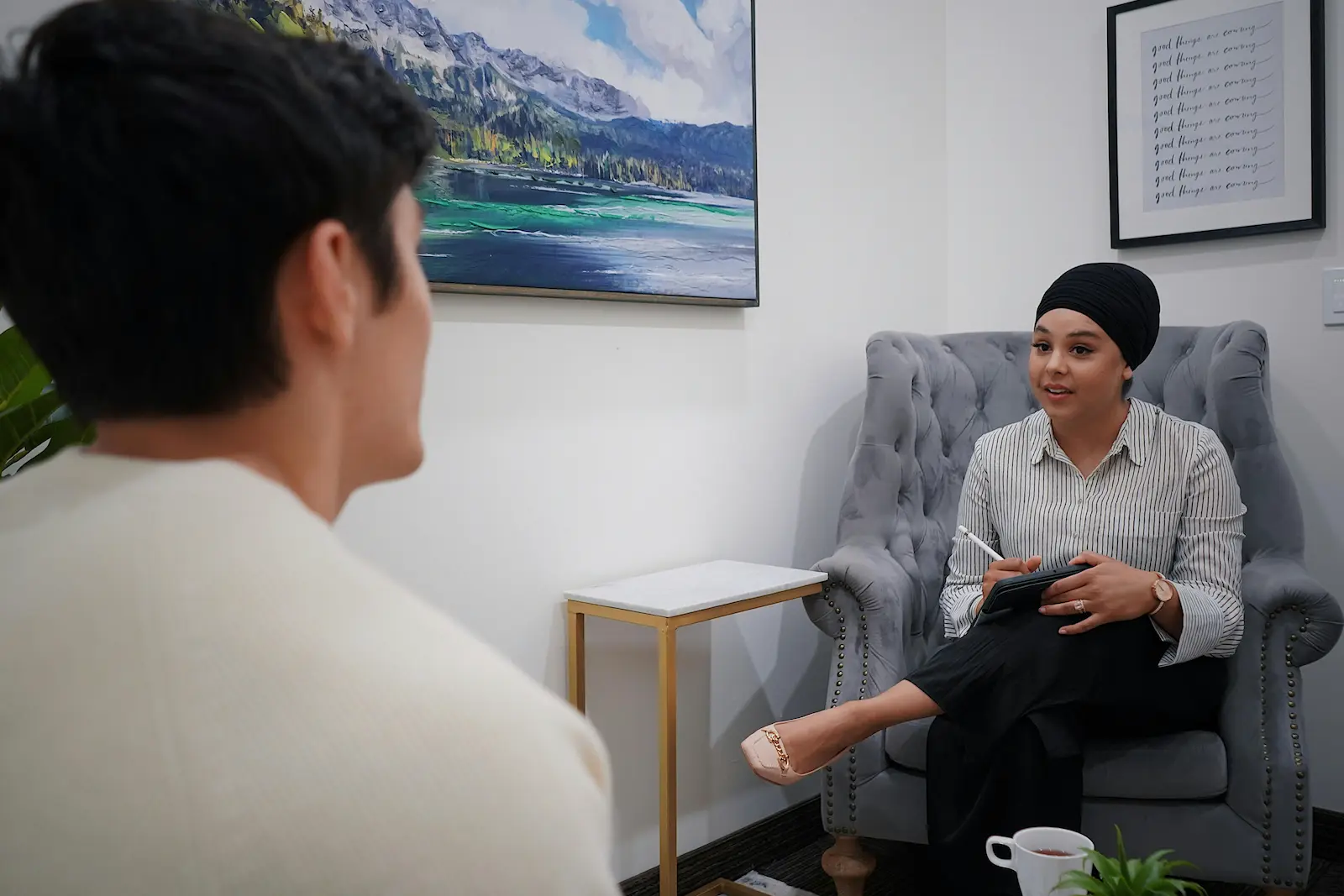
Individual supervision gives you focused, one-on-one time to work through your own cases in depth, useful when you’re carrying complex or sensitive client work. Group supervision brings several practitioners together to learn from each other’s cases, which often surfaces patterns and solutions an individual session wouldn’t. Many practitioners use a mix of both, individual sessions for depth and group sessions for breadth and peer support.  We’ll help you work out which format, or combination, fits your registration requirements and caseload. Both formats run regularly across Melbourne and online for practitioners further afield.

Our Supervision Framework and Approach

Supervision at Therapia follows a structured framework, but sessions stay flexible enough to deal with whatever’s actually urgent that week. We start by understanding your registration requirements, caseload, and areas where you want to grow, then set a rhythm of sessions around that. Case discussions are grounded in evidence and current NDIS Commission guidance, not just supervisor opinion. We keep clear records of supervision hours and content, which practitioners need for their own registration. This balance of support and honesty is what practitioners tell us keeps them coming back.

NDIS Behaviour Support Supervision Requirements

The NDIS Commission’s Positive Behaviour Support Capability Framework sets supervision requirements based on a practitioner’s rating, from provisional through to advanced or specialist. Lower-rated practitioners generally need more frequent and closely structured supervision, particularly around restrictive practice authorisations and complex behaviour support plans. Therapia’s supervisors understand the framework in detail and structure sessions to satisfy both the compliance requirement and genuine professional growth for practitioners across Melbourne working toward, or maintaining their registration.

Supervision for Provisional and Registered Practitioners

Provisional practitioners, whether in psychology, behaviour support, or another allied health discipline, typically need more intensive supervision while building core clinical skills. Sessions at this stage focus heavily on case formulation, risk assessment, and the fundamentals of safe, ethical practice. Once registered, supervision needs usually shift toward maintaining standards, managing complex cases, and preventing the kind of drift that happens without any outside check on your thinking. Across Melbourne, we support practitioners through this entire career arc.

Begin Clinical Supervision with Therapia

Getting started with clinical supervision begins with a short conversation about your registration requirements, current caseload, and what you want supervision to help with. We’ll recommend individual or group sessions, or a mix of both, based on that conversation. Sessions run regularly across Melbourne and online, with clear documentation provided for your CEU and registration records. Whether you’re newly provisional or years into practice, supervision is available at a rhythm that fits your workload. Contact Therapia today to book your first clinical supervision session.

FAQs

Frequently Asked Questions

Clinical supervision is structured, regular time with a more experienced practitioner to reflect on cases, decisions, and the demands of the work. It's not a performance review, it's a space to work through difficult cases and get another perspective before something goes wrong. For behaviour support practitioners, it's often a formal requirement tied to NDIS Commission registration. Sessions can focus on specific clients, broader skill development, or a practitioner's own wellbeing.

Anyone delivering positive behaviour support under the NDIS Commission's Capability Framework has a supervision requirement tied to their practitioner rating. Provisional practitioners generally need more frequent, structured sessions, while experienced practitioners often use supervision for complex case consultation. Teams and organisations also use supervision arrangements to keep practice consistent across staff. The specific requirement depends on where a practitioner sits on the framework.

Individual supervision gives focused, one-on-one time to work through your own cases in depth, which suits complex or sensitive client work. Group supervision brings several practitioners together to learn from each other's cases, often surfacing patterns an individual session wouldn't. Many practitioners use a mix of both formats depending on their caseload and registration requirements. Group sessions also tend to be more cost-effective for a tight CPD budget.

Frequency depends on your registration requirements, caseload complexity, and where you sit on the NDIS Behaviour Support Capability Framework. Provisional or lower-rated practitioners typically need more frequent, closely structured sessions than experienced practitioners. We'll help you work out a rhythm that satisfies your compliance requirements and supports genuine professional growth. This is usually reviewed periodically as a practitioner's rating or caseload changes.

Yes, supervision hours generally count towards CPD requirements for allied health and behaviour support practitioners, subject to your specific registration body's rules. Therapia keeps clear, dated records of supervision hours and content covered, which you can use directly for your registration and CPD documentation. It's worth confirming the exact requirements that apply to your discipline. Many practitioners combine supervision with our formal training courses to cover both bases.

Start with a short conversation about your registration requirements, current caseload, and what you want supervision to help with. We'll recommend individual sessions, group sessions, or a mix of both based on that conversation. Sessions run regularly across Melbourne and online, with documentation provided for your CPD and registration records. Contact Therapia today to book your first clinical supervision session, whether you're newly provisional or years into practice.

Do you have any more Queries?

 Contact us to learn more.

Begin Your Journey with Therapia

Get Support

If you are seeking support for yourself or someone else, contact us today.

Phone #: 61 03 8348 1742

Get Support

If you are seeking support for yourself or someone else, contact us today.

*” indicates required fields

To help us respond quickly and accurately, please include the services you’re interested in and your location.