
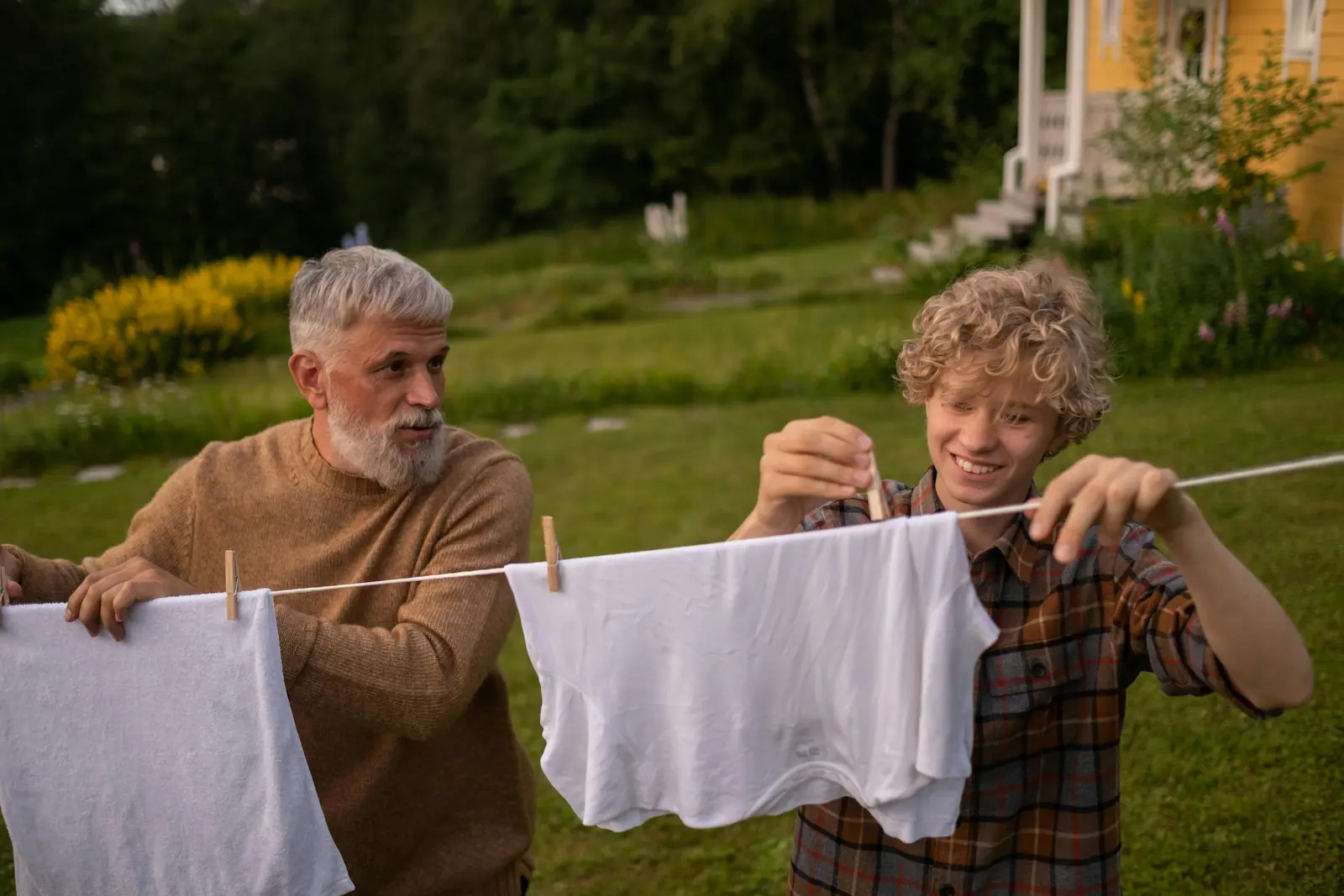
Making a cup of tea alone. Catching the 86 tram without a reminder. Checking a bank balance before a big purchase. These are the everyday wins that life skills development NDIS Melbourne funding is built around, and they matter more than any workbook exercise ever could. This is NDIS-funded support delivered in real kitchens, real train stations, real shops, because independent living skills training only sticks when it happens where it’ll actually be used. At Therapia, the pace is always set by the person, not a fixed program length, because skills learned under pressure tend to disappear the moment support ends. Community participation often grows out of this work too, once daily tasks feel manageable on their own.
Increased independence in selfcare
Improved confidence, Identity & self esteem
Greater participation in school, work and community life
Stronger communication and social skills
Improved emotional regulation skills.
Reduced reliance & supervision
Enhanced safety & awareness
Improved wellbeing & quality of life

Cooking, budgeting, catching public transport, managing personal care, the list of practical skills we build is long, but the method is always the same: practise it in the setting where it counts. Communication sits right alongside these, since asking for help or negotiating a purchase is its own kind of independence. NDIS capacity building life skills explained simply: it’s targeted, hands-on practice, not a generic activity program dressed up as therapy. Where communication goals overlap with broader therapy needs, we loop in the wider therapy supports team so nothing gets duplicated. Real skills, practised in real settings, are what separate genuine capacity building from a checklist.
Wondering if this is the right support for your family member? It suits NDIS participants of any age working toward more independence, a teenager getting ready to move out of home, an adult wanting more control over a daily routine, someone rebuilding confidence after a hard stretch. It’s especially valuable during a transition to independent living NDIS participants often find overwhelming: leaving school, moving into shared accommodation, or adjusting after reduced support. If a bigger life change is on the horizon, our transition support team works alongside this program rather than starting from scratch later. Support is adjusted for cognitive ability, communication style, and prior experience, so no two starting points look the same.
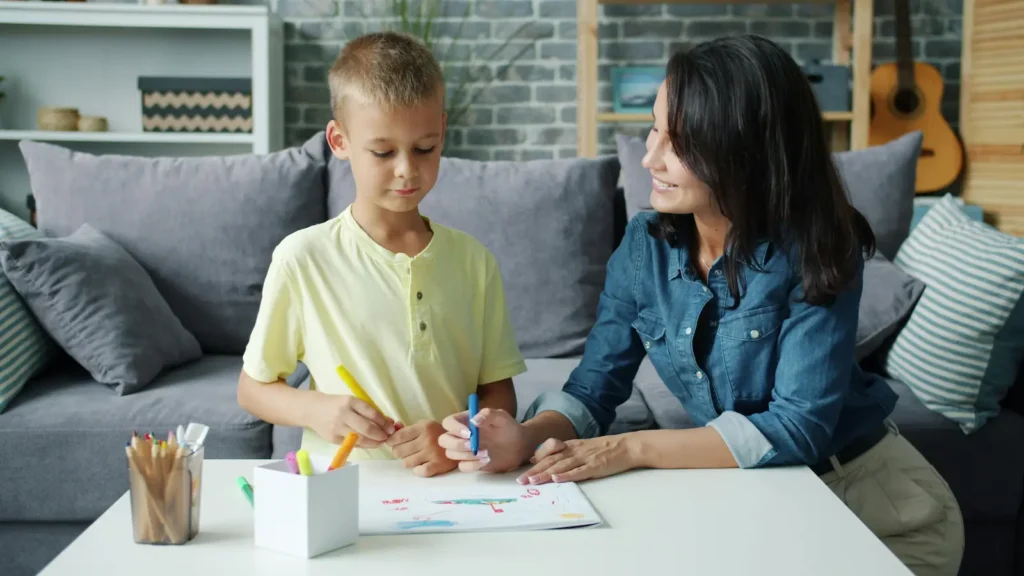
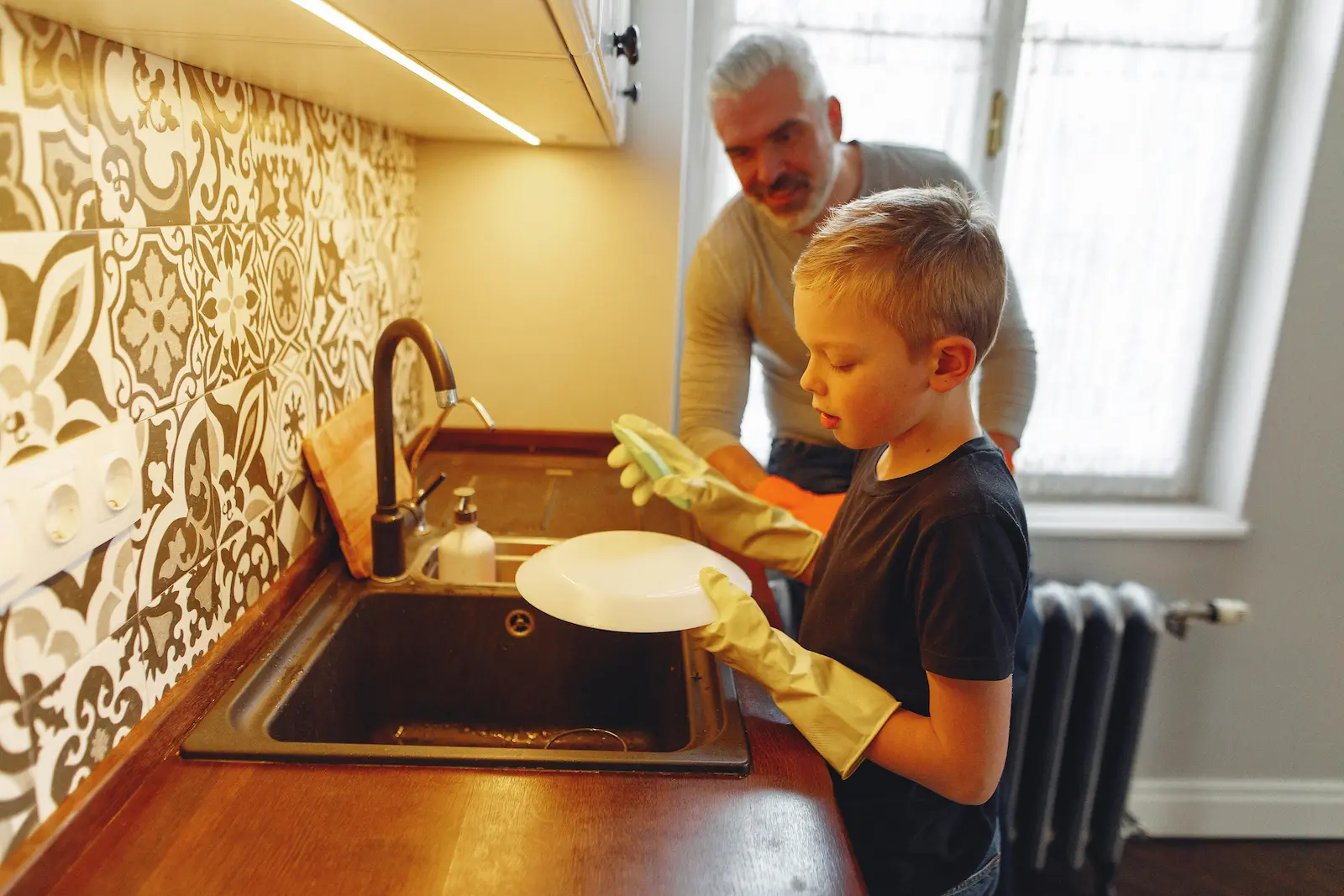
Every program starts with one honest conversation: what does independence actually look like for this person. From there we set specific, achievable goals and build sessions around practising them in real settings, usually weekly, built up incrementally rather than all at once. Support workers are matched on compatibility as much as skill, since the relationship affects how willing someone is to try something unfamiliar. For participants who also need help managing behaviours of concern during a session, we coordinate this directly with our positive behaviour support team. Structure keeps a program practical, but it never gets in the way of the person’s own pace.
Independence rarely lands all at once. A client who starts by preparing a simple meal with full support might, months later, cook that same meal alone without a second thought. So how long does life skills development take under the NDIS? It depends entirely on the skill and the person, but small, repeated wins tend to compound faster than families expect once a routine takes hold. We deliberately break bigger goals into steps small enough to succeed at consistently, because early wins build the confidence that harder tasks need. For participants with more complex support needs, this incremental approach matters even more, since rushing rarely holds up.

Life skills development is generally funded under the Improved Daily Living budget of an NDIS plan, and how much gets approved depends heavily on how clearly goals are stated at the planning meeting. The NDIS publishes a full guide to how support budgets work, and it’s worth reading before a plan review rather than after. Therapia helps clients and support coordinators identify realistic goals and the support hours needed to reach them, then backs this up with periodic progress reports. Cooking skills program NDIS Melbourne requests, budgeting skills training disability Melbourne requests, whatever the specific ask, funding tends to follow clarity on goals and long term outcomes.
If there’s a skill your family member wants to build, cooking, budgeting, catching public transport, or just managing a morning routine without reminders, tell us and we’ll build a program around it. We’ll talk through current goals, check what your plan can actually fund, and match a support worker suited to the person, not just the task. Daily living skills programs NDIS participants Melbourne families ask about most often start with something small and specific, which is usually the right place to begin. If a plan review is approaching, we can help build the funding case while there’s still time to act. A single honest conversation is usually where independent living skills training actually begins. Get in touch with Therapia today.

Daily living skills training is NDIS-funded support that helps people build practical, everyday abilities like cooking, budgeting, using public transport, or managing a daily routine independently. Support happens in real environments, a kitchen, a train station, a local shop, rather than through worksheets or simulated exercises, so skills transfer directly to daily life. The pace and focus are set by the person's own goals, not a fixed program length. Progress is tracked against outcomes the person actually cares about.
Programs typically cover cooking, cleaning, budgeting, shopping, using public transport, and managing personal care routines, depending on what the person wants to work on. Communication skills are often built alongside these, since asking for help or negotiating a purchase is part of managing daily life. Every skill is practised in the setting where it will actually be used, not simulated. Some clients focus intensively on one or two skills, others prefer working across several areas at once.
Daily living skills suits NDIS participants of any age working toward greater independence, from a teenager preparing to move out of home to an adult wanting more control over daily routines. It's particularly useful during life transitions, leaving school, moving into shared accommodation, or returning to daily life after a period of reduced independence. Support is adjusted for cognitive ability, communication style, and prior experience.
Progress depends on the skill and the person, but most families notice small, visible changes within the first few weeks of consistent sessions. Independence tends to build through repeated small wins rather than one big breakthrough, so programs are structured around steps the person can succeed at consistently. Regular review keeps the plan moving as skills develop or priorities shift. Setbacks are treated as information to adjust the plan, not as failure.
Daily living skills development is generally funded under the Improved Daily Living or Increased Social and Community Participation categories of an NDIS plan. How much is funded depends on assessed need, so specific goals at planning meetings make a real difference to what gets approved. Therapia can help identify realistic goals and provide the progress reports planners look for at review. Getting this documentation right reduces delays between approval and support actually starting.
Start with a conversation about the skill your family member wants to build, whether that's cooking, budgeting, or managing a daily routine independently. We'll check what your current NDIS plan can fund and match a support worker suited to the person. Most clients notice small, visible changes within the first few weeks of consistent sessions. Contact Therapia today to begin a Daily living skills training program in Melbourne.
If you are seeking support for yourself or someone else, contact us today.
Phone #: 61 03 8348 1742
If you are seeking support for yourself or someone else, contact us today.
“*” indicates required fields
WhatsApp Live Chat
Not a member yet? Register now
Are you a member? Login now